Overview
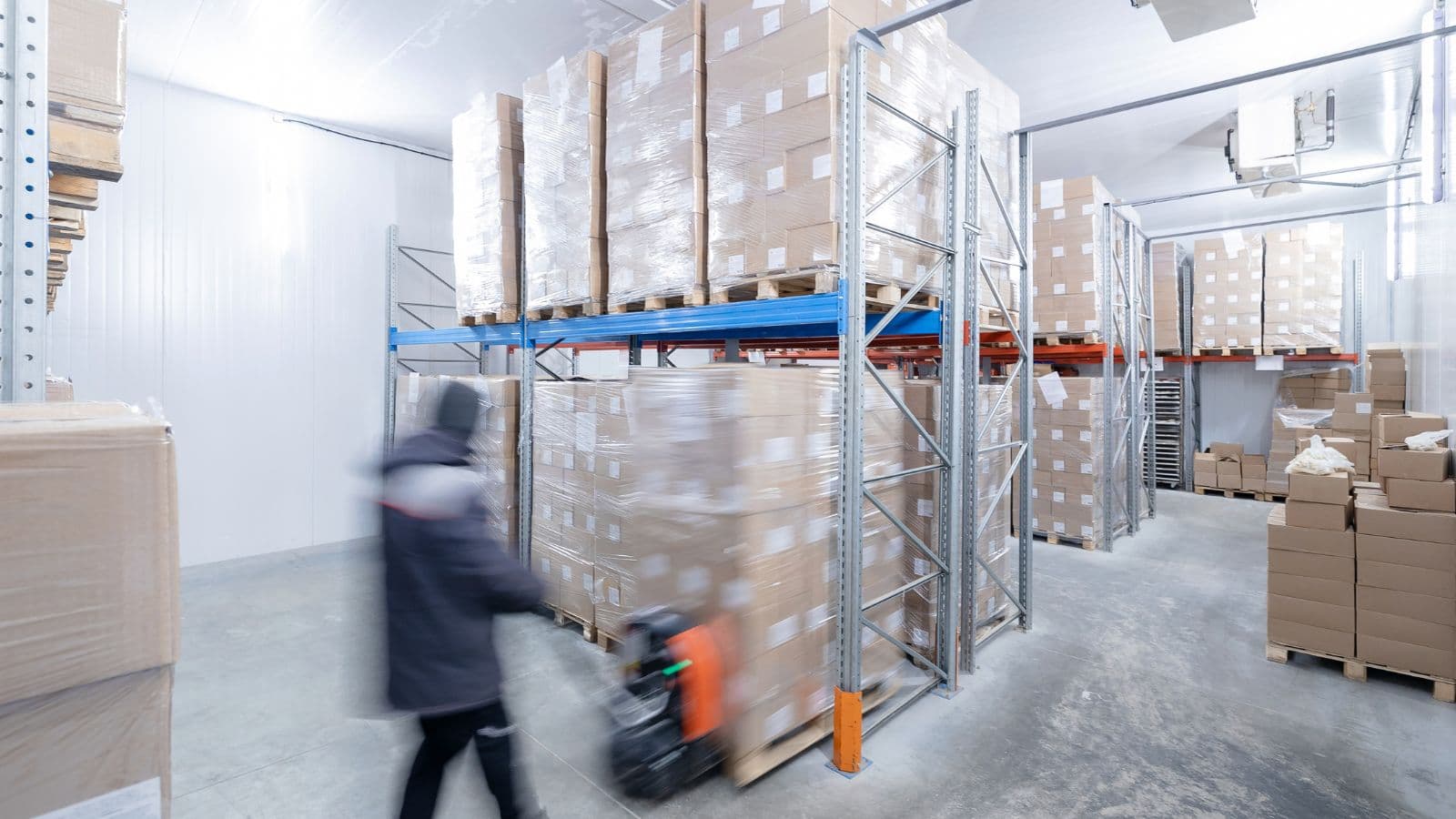
General Contractors of Bryan manages cold storage construction for food distributors, processors, and cold-chain logistics operators who need refrigerated or frozen storage facilities built to the envelope performance and systems coordination standards that cold-chain operations require. Bryan's food processing history — anchored by Sanderson Farms' processing operations and the broader agricultural processing base in the Brazos Valley — creates ongoing demand for cold storage capacity in this market.
Cold storage construction is more demanding than standard warehouse delivery because the consequences of envelope performance failures are operational rather than cosmetic. A wall or roof system with insufficient insulation value causes refrigeration systems to run continuously and still fail to maintain target temperatures. Thermal bridging at dock penetrations creates condensation and frost damage that accelerates structural deterioration. Under-designed floor heating systems under freezer slabs create slab heave from frost penetration that makes the building unusable within a few years of opening. We prevent those failures through detailed thermal design coordination and construction quality management.
Bryan's climate adds a specific challenge to cold storage construction: the combination of high ambient temperature and high humidity in summer months creates large thermal differentials at refrigerated building envelopes. That differential drives condensation and vapor pressure forces that must be managed through the vapor retarder design, insulated panel selection, and building pressurization approach. We incorporate those climate-specific requirements into the construction specification rather than applying generic cold storage standards that were developed for northern markets.
What Cold Storage Construction Includes
Cold storage construction is delivered as a coordinated general contracting scope from thermal design review through refrigeration commissioning. Every scope element is managed against the cold-chain performance requirements of the owner's operation.
- Insulated panel system selection and installation coordination
- Slab and thermal-detail review for freezer slabs including under-slab heating systems
- Dock and vestibule design for high-cycle refrigerated dock operations
- Refrigeration equipment support interfaces with the owner's refrigeration contractor
- Enclosure sequencing to allow refrigeration startup as early as possible after shell completion
- Commissioning support for refrigeration system testing and temperature verification
Our Cold Storage Construction Process
Cold storage delivery follows a thermal-performance-driven sequence from insulation design review through refrigeration commissioning. Each phase is evaluated against the building's cold-chain performance requirements.
01Program and thermal-system planning
We review the owner's cold storage program — temperature zones, storage volume per zone, dock cycle frequency, product types and any specific environmental requirements — with the refrigeration engineer before any construction begins. In Bryan's climate, the ambient design conditions for the thermal calculation need to reflect the actual summer temperature and humidity, not a national average.
Foundation and shell execution
Freezer slab design includes under-slab heating systems to prevent frost heave in frozen storage zones. We coordinate the heating system installation, pipe testing, and concrete placement so the heating system is embedded correctly and verifiably operational before the refrigeration system is started. Cold storage floor slabs also require vapor retarder systems and thermal break details at the slab edge that differ from standard warehouse slab construction.
Insulated package integration
Metal insulated panel systems for cold storage walls and roofs are installed in a sequence that completes the full envelope before refrigeration startup. We review panel joint sealing, vapor retarder continuity, and penetration sealing at dock doors, electrical conduit, and equipment penetrations as quality hold points during installation.
Dock and support-system completion
Dock equipment for refrigerated receiving and shipping includes insulated dock seals, insulated dock levelers, and traffic doors designed for high-cycle cold storage operations. These components are different from standard warehouse dock equipment and require specific hardware specification coordination with the dock equipment supplier.
Turnover for commissioning
Cold storage shell turnover is staged to allow refrigeration startup as soon as the envelope is complete and dock equipment is installed. We coordinate with the owner's refrigeration contractor to establish the turnover milestone and identify what the construction contractor needs to complete before refrigeration startup can begin.
Where Cold Storage Construction Creates the Most Value in Bryan
Cold storage demand in the Bryan market comes from agricultural processing, food distribution, and cold-chain logistics. These project types represent the strongest fit for specialized cold storage delivery.
Agricultural and Food Processing Cold Storage
Processing plants in the Brazos Valley need cold storage capacity that integrates with production operations. We coordinate cold storage additions to processing facilities around operational continuity requirements, planning construction access and utility connections to minimize production disruption during the construction period.
Regional Food Distribution Cold Storage
Food distributors serving Bryan, College Station, and the broader Brazos Valley market need refrigerated and frozen distribution facilities with multi-temperature zones, high-cycle dock operations, and floor systems that hold up under pallet-jack and forklift traffic in cold environments. We deliver those facilities with the attention to thermal performance and floor durability that food distribution operations require.
Cold-Chain Logistics Expansions
Existing cold storage operators who need to expand capacity sometimes need additions that integrate with existing refrigeration systems and dock operations without shutting down the existing facility during construction. We plan those additions with careful thermal isolation of the construction zone and temporary heating systems in the existing storage areas during the construction period.
Envelope Performance, Bryan Climate, and Cold Storage Systems
Bryan's summer heat and humidity create greater envelope performance demands than most of the national cold storage design standards assume. We require that the thermal design of cold storage buildings in Bryan be performed using Bryan's actual ASHRAE design conditions rather than regional or national defaults.
Under-slab heating systems for freezer slabs require pressure testing and documentation of testing results before concrete is placed. Those test results are a permanent record that protects the owner against claims that construction defects — rather than design deficiencies or operational issues — caused future frost heave problems.
Related Markets
This service is available across Bryan and nearby regional markets where commercial and industrial owners need one accountable project lead from planning through closeout.
Bryan, TX
Bryan is the industrial and heritage anchor of the Brazos Valley — a working city with manufacturing roots, a historic downtown Texas Avenue corridor, Blinn College, the Texas A&M Health Science Center, and active commercial growth along Highway 6 and the RELLIS Campus corridor.
View location page
College Station, TX
College Station adds university-adjacent commercial demand, medical growth, and mixed owner-user projects to the broader Bryan market, with active corridors and user-facing finish requirements driven by the TAMU community.
View location page
Wixon Valley, TX
Wixon Valley is a small unincorporated community within Bryan's service radius where owner-user commercial buildings, support industrial, and agricultural-adjacent facilities benefit from general contracting with local Brazos Valley knowledge.
View location page
Hearne, TX
Hearne is a Robertson County logistics and industrial support market north of Bryan along the Highway 6 and US 79 corridor where warehouse delivery, fleet terminals, and service-commercial buildings need practical general contracting.
View location page
Caldwell, TX
Caldwell is the Burleson County seat on the Highway 21 corridor connecting Bryan to the Austin market, with owner-user commercial and industrial construction driven by agricultural services, local business growth, and the county's working agricultural economy.
View location page
Franklin, TX
Franklin is the Robertson County seat north of Bryan on the Highway 6 corridor with civic, commercial, and industrial-support construction demand for county government, local businesses, and the agricultural economy.
View location page
Frequently Asked Questions
Does Bryan's climate create special challenges for cold storage construction?
Yes. Bryan's high summer humidity combined with large refrigeration temperature differentials creates significant vapor pressure driving moisture into cold storage envelopes. Vapor retarder continuity, joint sealing, and penetration management are more critical in Bryan's climate than in dry climates, and failures in those details cause condensation and frost damage that accelerates structural deterioration.
What is the typical under-slab heating system for a freezer floor in Bryan?
Freezer slabs in Bryan typically use electric resistance heating cables embedded in the concrete under the freezer slab to prevent frost penetration into the subgrade. Alternatively, forced-air heating systems distribute heated air under the slab through perforated pipes. The selection depends on the freeze zone depth, slab thickness, and the owner's preference for operating cost versus capital cost.