Overview
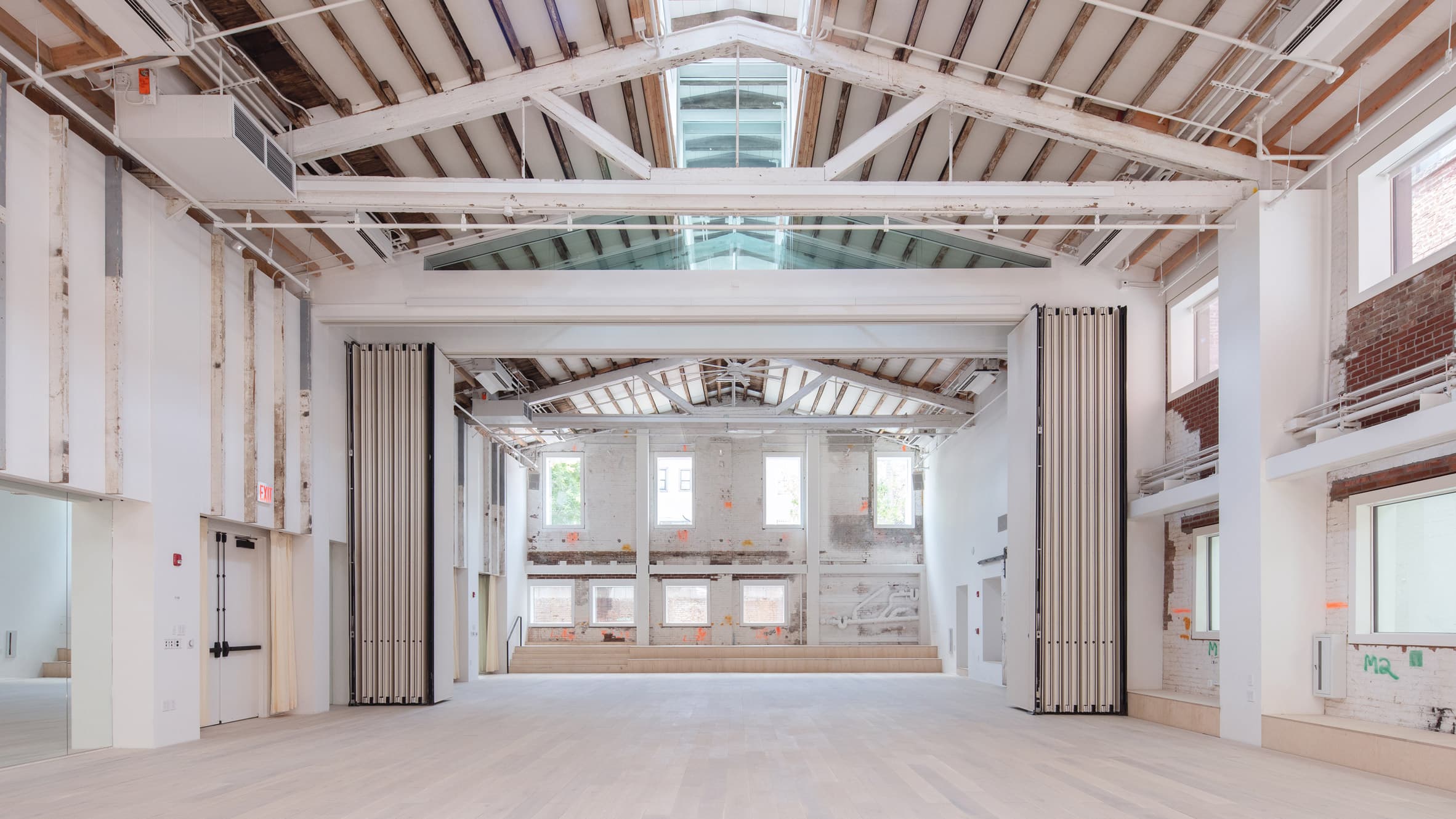
General Contractors of Bryan manages renovation and adaptive reuse construction for property owners, developers, and institutions who are repositioning existing buildings for new uses. Bryan's built environment includes a significant stock of properties that benefit from renovation investment: the historic downtown Texas Avenue corridor with its Carnegie History Center and 1900s commercial buildings, the older Bryan Towne Center district undergoing active revitalization, the 1950s through 1970s residential and commercial buildings in Bryan's urban core, and the industrial properties along the city's manufacturing corridors that have been partially vacated as tenant profiles change.
Renovation construction is fundamentally different from ground-up construction because the existing building is both the project and the constraint. Every renovation discovers conditions that were not shown on existing drawings — hidden structural damage, outdated electrical systems that cannot support new loads, plumbing that has been modified over decades in ways that do not match record drawings, and hazardous materials in buildings constructed before current environmental regulations. Managing those discoveries without losing the budget and schedule requires active contingency planning, transparent owner communication, and an experienced GC who does not flinch when field conditions require a design change.
Bryan's historic downtown corridor adds a layer of civic responsibility to adaptive reuse projects. The Carnegie History Center, the historic Texas Avenue streetscape, and the older commercial buildings that frame Bryan's working-class downtown identity are community assets that deserve thoughtful renovation rather than demolition. We approach historic structure renovations with the respect for existing character and the practical construction management that successful adaptive reuse requires.
What Renovation and Adaptive Reuse Construction Includes
Renovation construction is delivered as a coordinated general contracting scope from existing-condition investigation through phased turnover. Discovery, change management, and owner communication are active parts of the delivery plan.
- Existing-condition investigation including MEP tracing, structural assessment, and hazardous material screening
- Selective demolition and removal sequencing that protects elements being retained
- Temporary operations planning for occupied properties or buildings adjacent to active uses
- Structural modification coordination with the engineer of record
- Systems upgrades for MEP, life-safety, and code compliance
- Phased turnover for occupied properties with partial operational continuity
Our Renovation and Adaptive Reuse Process
Renovation delivery treats discovery, design adaptation, and owner communication as integrated parts of the delivery plan rather than exceptions to the construction process.
01Existing-condition investigation
We conduct a thorough existing-condition review before any renovation scope is finalized or permitted. For Bryan historic properties, that means probing concealed structural elements, tracing existing MEP systems against record drawings, testing for asbestos-containing materials and lead paint in pre-1980 construction, and documenting structural conditions that will be affected by the renovation program. This investigation investment prevents the most expensive category of renovation surprises — the ones that require design changes after construction has begun.
Phasing and protection planning
Renovation phasing plans are built around two priorities: protecting the existing building elements that are being retained, and maintaining whatever operational continuity the owner requires during construction. For Bryan Towne Center-area renovations, that often means coordinating construction access with adjacent active businesses. For Bryan ISD building renovations, it means phasing construction around the academic calendar so occupied portions of the school can continue operating.
Core construction work
Selective demolition, structural modifications, and new construction are executed in the sequence that protects the building's structural integrity throughout the renovation. We treat selective demolition as a quality-controlled scope, not a clearance-priced commodity — the sequence and method of demolition directly affects the condition of what remains.
System and finish upgrades
MEP system upgrades, life-safety code compliance improvements, and new finishes are installed in a sequence that allows inspection as each phase is completed. Older Bryan buildings frequently require electrical panel upgrades, fire suppression additions, and accessible design improvements that are not shown on the original renovation budget but become required when the building permit triggers current code compliance review.
Occupied or phased turnover
Renovation turnover is staged to match the owner's operational needs. For fully occupied properties, we turn over completed zones while continuing renovation work in other areas. For vacant properties being repositioned, we coordinate certificate of occupancy with the new tenant or owner's planned occupancy date.
Where Renovation and Adaptive Reuse Creates the Most Value in Bryan
Bryan's renovation market spans downtown historic properties, industrial repositioning, school and institutional upgrades, and commercial building modernization. These project types represent the strongest fit for renovation delivery.
Downtown Bryan Historic Properties
The historic Texas Avenue corridor and Carnegie History Center district represent Bryan's architectural heritage. Adaptive reuse of these properties requires sensitivity to historic character, coordination with the City of Bryan historic preservation guidelines, and practical construction management that makes renovation economically viable without destroying the historic character that makes these buildings worth saving.
Bryan Towne Center Revitalization
The Bryan Towne Center area is actively being repositioned from its mid-century commercial configuration to a mix of retail, residential, and office uses. We deliver renovation and adaptive reuse projects in this corridor with attention to the active neighboring businesses and the phased nature of the overall district revitalization program.
Industrial Building Repositioning
Older Bryan industrial buildings along the manufacturing corridors sometimes require repositioning as tenant profiles change or as owner-users modernize their facilities. Industrial adaptive reuse projects often involve structural modifications for new use configurations, MEP upgrades to support different occupancy types, and code compliance improvements for buildings that were originally permitted under older standards.
Bryan ISD Facility Renovations
Bryan ISD's older school buildings — the original urban district served by a separate ISD from College Station — represent a significant renovation market. School renovations require academic calendar scheduling, Texas Education Agency compliance, and durable construction that serves daily student use for decades after the renovation is complete.
Discovery Management, Contingency, and Historic Bryan Context
Every renovation budget needs a discovery contingency — typically 10 to 20 percent of the initial estimate on older buildings — because existing conditions always yield surprises. We help owners understand what contingency is appropriate for their specific building type and age before construction begins, rather than presenting change orders for every discovery as an unexpected event.
Bryan's historic downtown properties have specific review requirements under the City of Bryan's historic preservation ordinance. Exterior modifications to properties in the historic district require design review and approval before permits are issued. We incorporate that review cycle into the project schedule during preconstruction so it does not delay construction start.
Related Markets
This service is available across Bryan and nearby regional markets where commercial and industrial owners need one accountable project lead from planning through closeout.
Bryan, TX
Bryan is the industrial and heritage anchor of the Brazos Valley — a working city with manufacturing roots, a historic downtown Texas Avenue corridor, Blinn College, the Texas A&M Health Science Center, and active commercial growth along Highway 6 and the RELLIS Campus corridor.
View location page
College Station, TX
College Station adds university-adjacent commercial demand, medical growth, and mixed owner-user projects to the broader Bryan market, with active corridors and user-facing finish requirements driven by the TAMU community.
View location page
Wixon Valley, TX
Wixon Valley is a small unincorporated community within Bryan's service radius where owner-user commercial buildings, support industrial, and agricultural-adjacent facilities benefit from general contracting with local Brazos Valley knowledge.
View location page
Hearne, TX
Hearne is a Robertson County logistics and industrial support market north of Bryan along the Highway 6 and US 79 corridor where warehouse delivery, fleet terminals, and service-commercial buildings need practical general contracting.
View location page
Caldwell, TX
Caldwell is the Burleson County seat on the Highway 21 corridor connecting Bryan to the Austin market, with owner-user commercial and industrial construction driven by agricultural services, local business growth, and the county's working agricultural economy.
View location page
Franklin, TX
Franklin is the Robertson County seat north of Bryan on the Highway 6 corridor with civic, commercial, and industrial-support construction demand for county government, local businesses, and the agricultural economy.
View location page
Frequently Asked Questions
How do you handle asbestos or lead paint discovered during Bryan renovation projects?
Pre-renovation hazardous material surveys are required for any renovation project in a building constructed before 1980 that will involve demolition or disturbance of existing materials. We coordinate the survey with a licensed industrial hygienist before construction begins and incorporate abatement scope into the construction schedule and budget where materials requiring abatement are identified.
Can General Contractors of Bryan manage renovation work in a building that remains occupied during construction?
Yes. Occupied building renovation is one of the most common renovation scenarios in Bryan's older commercial stock. We build detailed phasing plans, noise management protocols, and dust protection systems into occupied-building renovation projects and coordinate daily construction activities with building management to minimize disruption to tenants.
What are Bryan's historic preservation requirements for downtown Texas Avenue properties?
The City of Bryan has a historic preservation program that reviews exterior modifications to contributing structures in the historic district. Interior renovations are generally not subject to historic review unless they affect character-defining structural elements. We coordinate with the City of Bryan's historic preservation staff during the design phase to ensure proposed exterior modifications are approvable before construction documents are finalized.