Overview
General Contractors of Bryan manages site development and utility coordination as the foundation for every commercial and industrial project we deliver. In Bryan, site work is not a preliminary task that any civil contractor can handle on autopilot — it is where the project schedule is created or destroyed. Brazos County's expansive Houston Black clay requires engineered subgrade treatment that takes time. BTU's utility coordination process has specific requirements for large power services that need to be initiated early. The City of Bryan's drainage design requirements reflect the corridor conditions along Texas Avenue, Highway 6, and the major Bryan arterials that have been built and rebuilt over decades.
The most common cause of schedule loss on Bryan commercial and industrial projects is site work that starts late, encounters unexpected subgrade conditions, or falls out of sequence with the building permit schedule. We address all three risks in preconstruction by confirming site conditions through geotechnical investigation, initiating utility coordination with BTU and the City of Bryan before design is finalized, and building a site package release strategy that puts the civil contractor on the site as early as possible.
Site development is also the phase where cost surprises most often emerge — buried utilities not shown on existing drawings, contaminated fill from previous site uses, subgrade conditions that require more treatment than the design assumed, and drainage requirements that change when the city reviews the site civil drawings. We manage those risks by front-loading the investigation and keeping the owner informed of conditions as they develop rather than presenting a change order after the problem is discovered in the field.
What Site Development and Utility Coordination Includes
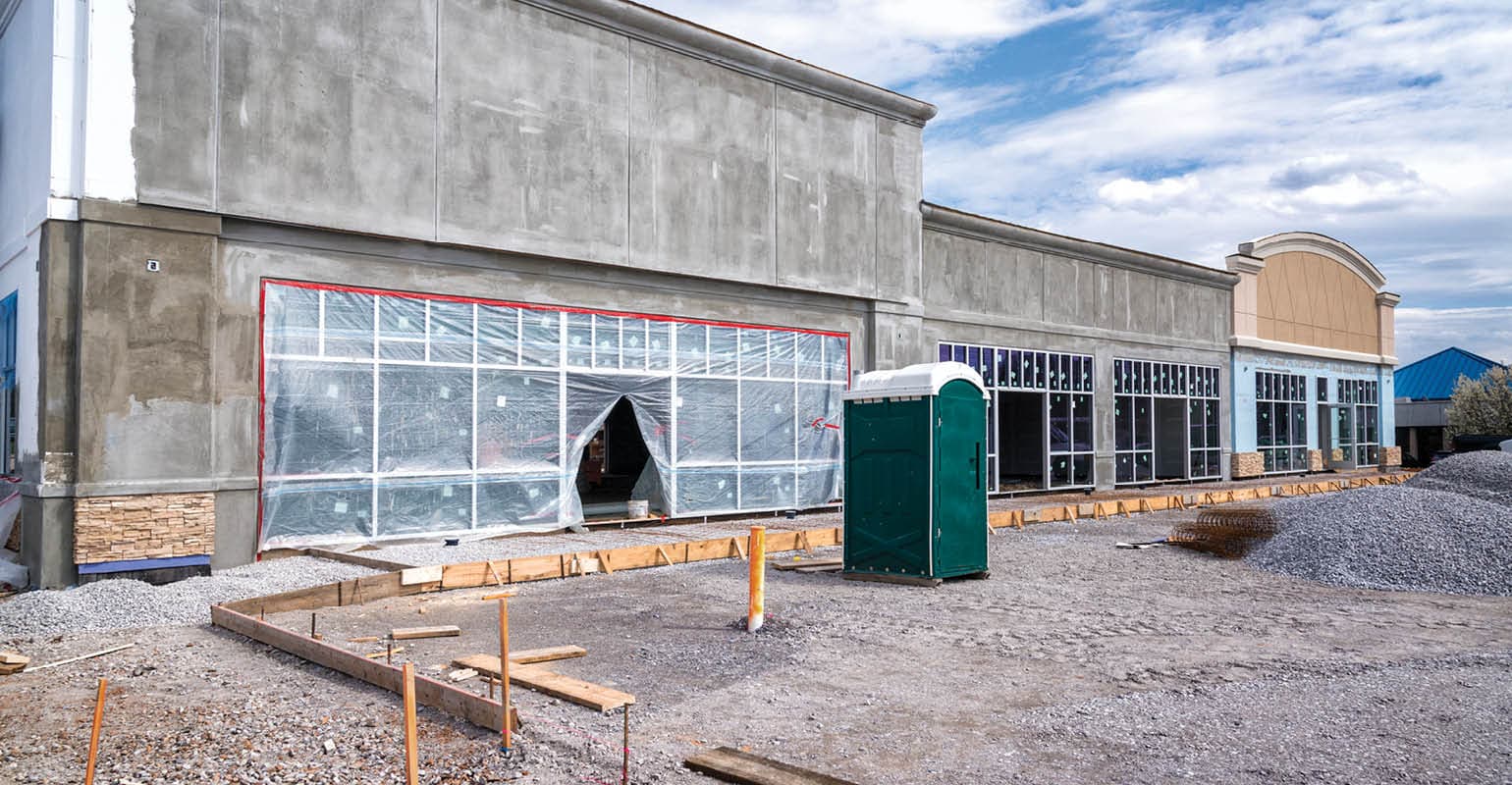
Site development is managed as a coordinated general contracting scope from preconstruction investigation through building pad handoff to vertical construction. Utility coordination with BTU and the City of Bryan is integrated into the site schedule from day one.
- Grading and pad release planning with moisture-conditioning requirements for Brazos County clay
- Utility-routing coordination with BTU electrical, city water and sewer, and gas providers
- Stormwater detention and drainage design coordination with city requirements
- Fire-lane and access implementation meeting Bryan Fire and City development standards
- Civil trade integration and inspection coordination with the City of Bryan
- Building pad handoff to vertical construction trades with certified subgrade testing
Our Site Development and Utility Coordination Process
Site development follows a utility-first sequencing approach where underground work is completed before above-grade work begins. Every phase is managed against the building permit schedule and vertical construction start date.
01Preconstruction review of site constraints
Site development planning starts with a field review of existing conditions: utility locations from city records and private locate services, drainage patterns that affect stormwater design, access constraints from adjacent right-of-way, and any known soil or contamination conditions from prior uses. Bryan's older commercial corridors frequently have underground utilities that are not accurately shown on existing record drawings, and discovering them during civil construction is a schedule and budget problem we prevent through upfront investigation.
Utility and drainage release strategy
BTU electrical service coordination and city water/sewer connection applications are submitted as early in the project schedule as possible — before building permits are issued when the site plan is sufficiently developed. BTU's process for large commercial services requires transformer procurement and service planning that can take 8 to 16 weeks. Starting that process late is the most common single cause of delayed building energization on Bryan commercial projects.
Civil package execution
Grading, underground utilities, drainage structures, and subbase preparation are executed with quality controls at each phase: subgrade compaction testing before any fill placement, utility trench compaction testing before backfill, and inlet base verification before drainage structures are set to final grade. Each of those tests is documented and provided to the structural engineer before the building pad is released for foundation work.
Building pad handoff
Building pad handoff to the foundation contractor requires written confirmation of subgrade compaction density, certified test reports from the geotechnical engineer, survey confirmation of pad elevation and dimensions, and clearance of any underground utilities that cross the building footprint. We do not allow foundation work to begin on a verbal assurance — the documentation protects the foundation contractor and the owner.
Site closeout and final access
Site closeout includes final grading, paving, striping, landscaping where applicable, and final utility connection inspections. We coordinate the City of Bryan's construction site closure inspection and ensure all temporary erosion controls are removed after the site is stabilized.
Where Site Development Creates the Most Value in Bryan
Site development is the foundation of every project schedule in the Bryan market. These project types represent where front-loaded site management has the greatest impact on overall delivery.
Greenfield Commercial and Industrial Sites
Undeveloped Bryan parcels along the Highway 6, Highway 21, and FM corridor system require full site development packages from raw land through building-ready pad. We sequence civil, utility, and subbase work on these projects to minimize the time between site mobilization and building permit issuance.
Bryan Towne Center Revitalization Parcels
Redevelopment sites in the Bryan Towne Center area often have existing underground infrastructure, drainage systems tied to adjacent properties, and access constraints from surrounding active uses. We coordinate site development on these parcels with the city's corridor improvement programs and adjacent property owners to avoid conflicts.
Industrial Campus Development
Multi-building industrial campuses in Bryan require site development phasing that supports sequential building construction without requiring the entire campus to be graded, filled, and paved before the first building starts. We design site development phases that allow early building starts while later phases of the campus proceed in parallel.
Lake Bryan and BTU Utility Corridor Projects
Commercial and industrial projects near Lake Bryan and along the BTU utility corridors have specific utility coordination requirements related to transmission line setbacks, BTU service territory boundaries, and the corridor infrastructure that serves the Bryan Texas Utilities service area. We know those coordination requirements and build them into the site development schedule.
BTU Coordination, Drainage, and Bryan Civil Market Conditions
BTU is Bryan's municipal electric utility, and coordinating large commercial and industrial electrical services through BTU requires earlier engagement than owners typically expect. Transformer procurement, service planning, and metering coordination all need to begin before the building permit is issued to avoid delaying building energization. We initiate BTU coordination as soon as the site plan is sufficiently developed to define the service location.
Bryan's drainage design requirements reflect decades of corridor development that has reduced natural infiltration and increased stormwater runoff volumes. New commercial and industrial developments are subject to detention requirements that must be integrated into the site plan before the civil drawings are submitted for city review. We coordinate stormwater design with the civil engineer early enough to incorporate detention into the site layout rather than having it forced into an awkward location after the building footprint is fixed.
Related Markets
This service is available across Bryan and nearby regional markets where commercial and industrial owners need one accountable project lead from planning through closeout.
Bryan, TX
Bryan is the industrial and heritage anchor of the Brazos Valley — a working city with manufacturing roots, a historic downtown Texas Avenue corridor, Blinn College, the Texas A&M Health Science Center, and active commercial growth along Highway 6 and the RELLIS Campus corridor.
View location page
College Station, TX
College Station adds university-adjacent commercial demand, medical growth, and mixed owner-user projects to the broader Bryan market, with active corridors and user-facing finish requirements driven by the TAMU community.
View location page
Wixon Valley, TX
Wixon Valley is a small unincorporated community within Bryan's service radius where owner-user commercial buildings, support industrial, and agricultural-adjacent facilities benefit from general contracting with local Brazos Valley knowledge.
View location page
Hearne, TX
Hearne is a Robertson County logistics and industrial support market north of Bryan along the Highway 6 and US 79 corridor where warehouse delivery, fleet terminals, and service-commercial buildings need practical general contracting.
View location page
Caldwell, TX
Caldwell is the Burleson County seat on the Highway 21 corridor connecting Bryan to the Austin market, with owner-user commercial and industrial construction driven by agricultural services, local business growth, and the county's working agricultural economy.
View location page
Franklin, TX
Franklin is the Robertson County seat north of Bryan on the Highway 6 corridor with civic, commercial, and industrial-support construction demand for county government, local businesses, and the agricultural economy.
View location page
Frequently Asked Questions
How long does BTU utility coordination take for a commercial project in Bryan?
BTU electrical service coordination for standard commercial projects typically requires 6 to 12 weeks from initial application to service installation. Large power services with transformer procurement can take 12 to 20 weeks. We initiate BTU coordination as early as possible in the project schedule and monitor the process through to service completion.
What drainage requirements apply to commercial development in Bryan?
The City of Bryan requires stormwater management for commercial development that demonstrates post-development runoff does not exceed pre-development runoff rates. Detention basins, bioretention facilities, or other approved stormwater management measures are typically required for sites above a minimum impervious threshold. We coordinate drainage design with the civil engineer and city review process.
Can you manage site development for a Bryan project that is being designed by a Houston or Austin engineering firm?
Yes. We frequently work with out-of-market design engineers on Bryan projects and serve as the local site knowledge partner — understanding existing utility conditions, BTU coordination requirements, city review preferences, and subcontractor availability that the design engineer may not be familiar with.